Grief support · pet loss
Grief counseling after the loss of a pet
Many people find that losing an animal companion is the most heart-challenging experience they have ever had, and then feel embarrassed by how much it hurts. Please do not be. The bond with an animal is one of the purest relationships many of us will ever know: daily, wordless, uncomplicated love. When it ends, the grief is real grief, and it deserves complete compassion and a place to be spoken about fully.
Telehealth only, by secure video or audio, for people physically located in California. Laurie, LMFT.
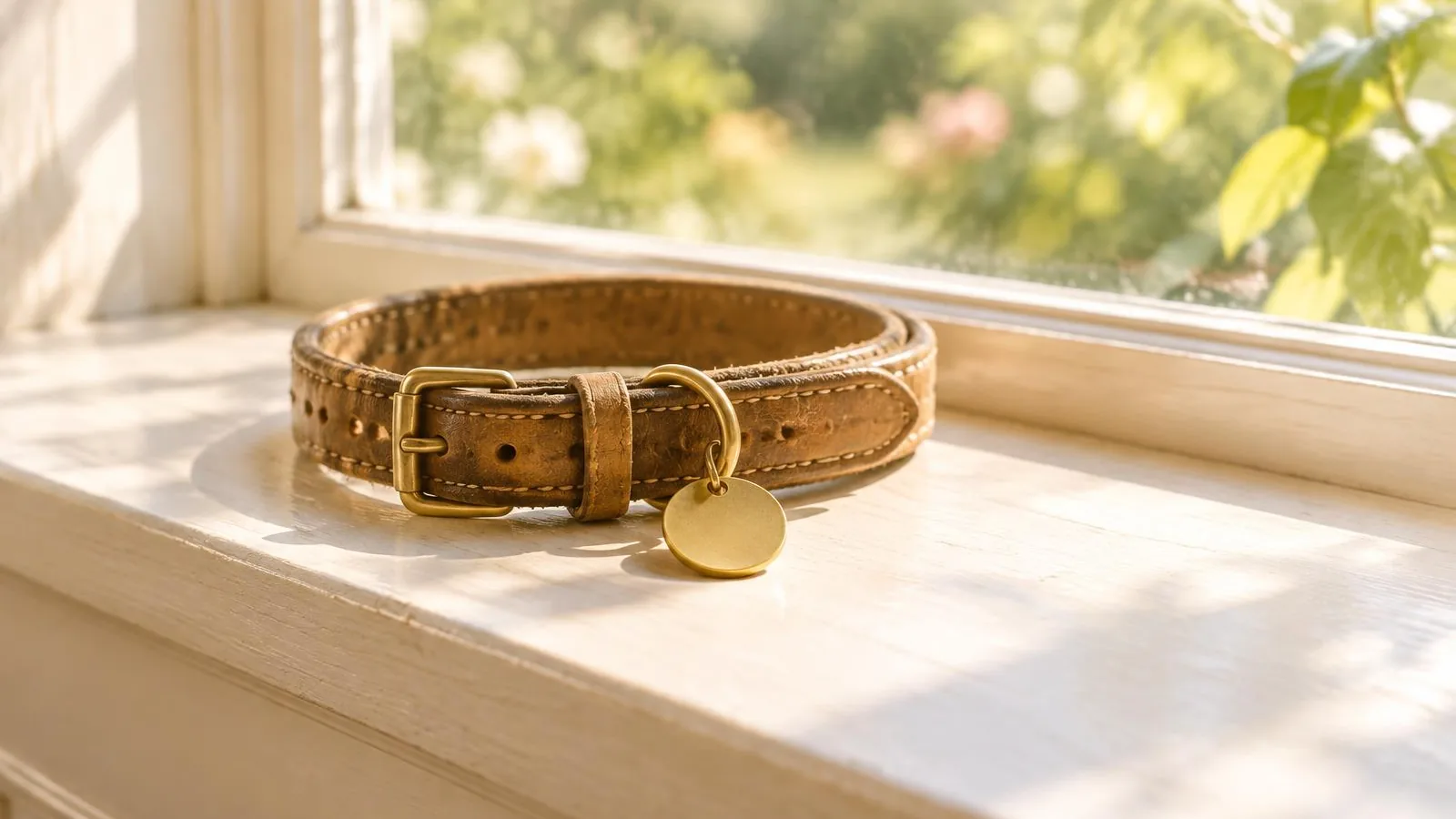
What pet loss grief work looks like with me
I share my own life with animals, and I do not treat this loss as smaller than it is. In our sessions you can talk about your companion as much as you like: who they were, the routines you shared, the funny things, the hard last days. Many people tell me that no one in their life will let them talk about their animal for more than a minute before changing the subject. Here you have the whole hour.
We also make room for the parts of pet loss that are especially hard to say out loud. Many animal deaths involve a decision, and the decision to euthanize, however loving, can leave people haunted by questions. Was it too soon? Too late? Did they know I was there? Guilt is one of the most common companions of pet loss, and it usually softens once it can be spoken and understood rather than carried in secret.
Grief for an animal can also stir up older grief. A pet may have seen you through a divorce, a move, an illness or the death of a person you loved. When they go, it can feel like losing the last witness to a whole chapter of your life. If that is happening, we honor both losses.
Over time the aim is not to forget. It is to carry the love in a way that brings more peace than pain, so that remembering your companion can become a source of gratitude and even joy.
The love was real, so the grief is real.
There is no animal too small to grieve.
Pet loss can take many forms
A sudden death
An accident, an emergency, a diagnosis that came too late. Sudden loss brings shock on top of sorrow, and sometimes images that replay. We can work gently with both.
A decision to euthanize
Choosing a peaceful end for an animal you love is an act of care, and it can still leave a heavy weight of doubt and guilt. That weight can be set down.
A long illness
Months of medications, appointments and watching them decline. Caring for an ill animal is exhausting, and grief often starts long before the end.
An animal who carried you
The dog who got you through the worst year of your life. The cat who was there every night. When a companion held you through hard times, their loss can feel like losing your footing.
A lost or rehomed animal
Not every loss is a death. An animal who went missing, or who had to be rehomed, leaves a grief with no clear ending, and that uncertainty is its own kind of pain.
How we would work
We start with a free 20-minute consult by phone, text or video. You can tell me about your companion and what has been hardest, and I will tell you honestly whether I think I can help. There is no pressure in that call and no obligation afterward.
If we go ahead, sessions are by secure video or audio anywhere in California. Some people come for a focused stretch around this loss, and for others it opens up wider work, and either is fine. I draw on what fits you: expressive approaches such as writing a letter to your companion or creating something in their memory, somatic work for grief the body is holding, Internal Family Systems for the parts of you that feel guilty or ashamed of grieving, and EMDR when a death was sudden or traumatic (I am EMDR certified).
- Grief after the death of a dog, cat, horse or any animal companion
- Guilt and doubt after a euthanasia decision
- Sudden or traumatic pet loss
- Anticipatory grief during an animal's illness or old age
- Pet loss that has stirred up older grief
- Grief that others have dismissed or minimized
- Deciding whether and when to welcome another animal
Questions people ask about pet loss
- Is it normal to grieve a pet more than a person?
- Yes, and it is more common than people admit. The relationship with an animal is often simpler and more constant than our human relationships. They were there every day, they did not judge, and they needed you. There is no ranking of grief, and there is nothing wrong with you for feeling this deeply.
- How long does grief for a pet last?
- There is no schedule. Grief for an animal follows the same shape as other grief: sharp at first, then quieter, then sometimes loud again on an ordinary day. The first weeks are often the hardest because so much of daily life was organized around them. I would rather not guess at a timeline, because yours is your own.
- I keep thinking I should have done something differently.
- Almost everyone who loves an animal thinks this after they die. Guilt is often love looking for somewhere to go, and a way of trying to have had control over something that was not fully in our control. In session we look at those thoughts honestly and kindly. Often what remains, once the guilt is heard, is simply sorrow, and sorrow is easier to carry than guilt.
- Should I get another pet?
- There is no right answer and no right timing. Some people find that a new animal helps them heal, and some need a long time before they are ready. A new companion is not a replacement, and welcoming one is not a betrayal. We can talk it through when the question comes up, so that the decision is yours rather than a response to pressure or loneliness.
Your companion mattered
If you have been carrying this loss quietly, or feeling foolish for how much it hurts, please reach out. Text or email and we will find a time to talk. Telehealth only, by secure video or audio, for people physically located in California. Laurie, LMFT.